By Yoshi | Japan Unveiled
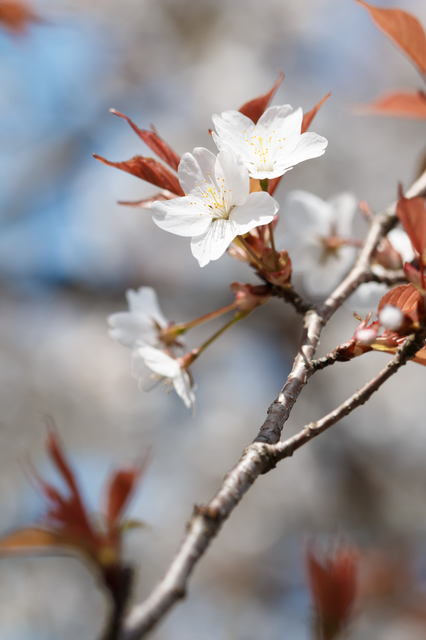
In late March — specifically in the specific week when the cherry blossoms in my neighbourhood approach full bloom — a specific thing happens to the food in the convenience stores, the supermarkets, the bakeries, and the restaurant menus within walking distance of my house.
It turns pink.
Not literally pink — not everything turns pink — but the specific cherry blossom imagery (sakura — 桜) proliferates across every food product category simultaneously. The convenience store introduces its specific sakura mochi (cherry blossom flavoured rice cake). The coffee chain introduces its specific sakura latte. The bakery introduces its specific sakura anpan. The supermarket’s prepared food section includes specific pink-tinted preparations. Even the Kit-Kat, perhaps the most internationally visible Japanese seasonal confectionery, produces its specific sakura flavour in its specific pink packaging for this specific window of weeks.
And then, within approximately two weeks of the blossoms falling, all of it is gone. The specific sakura products are replaced by the specific tsuyu (梅雨 — rainy season) products of early summer. The specific pink of spring becomes the specific green of new growth. The food has changed with the season, completely and simultaneously, as if by a specific collective decision that no individual or organisation made but that the entire food system enacted simultaneously.
This is kisetsukan (季節感 — seasonal feeling or seasonal consciousness). It is, I believe, the single most distinctive and most specifically Japanese characteristic of the Japanese food system, and understanding it fully requires understanding something specific about how Japanese culture conceives of the relationship between time, nature, and the daily experience of eating.
What Kisetsukan Is
Kisetsukan (季節感) — combining kisetsu (季節 — season) and kan (感 — feeling, sense, awareness) — is the specific Japanese awareness of season as an active presence in daily life, and the specific expectation that the things one encounters in daily life — food, clothing, decorative elements, the content of conversation — will express the specific character of the current season.
The specific Japanese conceptual framework: Japan has four clearly distinct seasons (shiki — 四季), and this specific seasonal distinctiveness is understood as one of the most significant and most specifically Japanese of all natural characteristics. The cherry blossoms of spring, the heat and fireworks of summer, the specific colours of autumn leaves, the specific cold and the specific snow of winter — these are not merely meteorological facts but specific cultural events whose specific arrival is anticipated, celebrated, and expressed through the entire cultural landscape including food.
The food dimension of kisetsukan: the understanding that specific foods are appropriate in specific seasons, and that eating a seasonal food in its correct season is a specific form of cultural participation — of being in the right relationship with the natural world at the right moment — is one of the most specifically Japanese of all food culture values. The person who eats sanma (Pacific saury) in September, when the specific autumn-fattened fish is at its specific peak, is not merely eating a delicious fish. They are participating in the specific seasonal moment that the sanma represents.
The Four Seasons in Food: A Complete Calendar
Spring (haru — 春, March through May).
Spring food in Japan is defined by two specific characteristics: the arrival of the specific spring vegetables and shoots that appear after winter’s dormancy, and the specific cherry blossom flavour association that the cultural weight of hanami (花見 — flower viewing) has embedded in the spring food landscape.
The specific spring vegetables: takenoko (竹の子 — bamboo shoots), which appear in specific abundance in late March and April and which are one of the most eagerly anticipated of all seasonal vegetables. The specific fresh bamboo shoot — bought whole at the supermarket, boiled immediately to remove the specific bitterness of the raw shoot, and then used in specific spring preparations including wakatake-ni (young bamboo simmered with wakame seaweed) — is available for only a few weeks and cannot be replicated by canned or preserved versions in any meaningful way.
Sansai (山菜 — mountain vegetables): the specific foraged or cultivated wild plants of early spring — warabi (bracken fern), zenmai (royal fern), udo (mountain asparagus), taranome (the tender bud of the tara tree) — whose specific slightly bitter quality is understood as a specific spring tonic, purging the heaviness of the winter diet. The first sansai of the year appears in the specific mountain regions as the specific late snow melts and is transported to the cities within days, where it commands premium prices for its specific brevity.
The sakura flavour: the specific food products that reference cherry blossom are primarily aesthetic rather than specifically botanical — the sakura flavour is typically a combination of cherry and vanilla extracts in a specific pink-coloured base. But the specific sakura mochi — the specific sweet rice cake wrapped in a specific salted cherry blossom leaf, whose specific combination of sweet rice, sweet bean paste, and the specific saltiness of the preserved leaf produces one of the most specifically spring-flavoured preparations in Japanese food culture — uses actual cherry blossom leaves and is genuinely distinct from the commercial sakura-flavoured products.
Summer (natsu — 夏, June through August).
Japanese summer food is defined by three specific imperatives: beat the heat, stay hydrated, and maintain the specific energy that the specific heat and the specific humidity of Japanese summer consume. The specific summer foods address all three imperatives simultaneously.
Sōmen (素麺 — thin cold wheat noodles): the specific summer noodle that I described in the noodle culture article. Cold, light, refreshing, eaten with specific cold tsuyu and specific summer condiments (myoga, shiso, ginger), sōmen is the specific antidote to the summer heat that most efficiently restores the appetite suppressed by high temperature.
Unagi (鰻 — eel): the specific Doyo no Ushi no Hi (土用の丑の日 — the midsummer day of the ox) tradition in which eel is consumed to provide the specific stamina required for the remaining summer. The specific date — which falls in late July, calculated according to the specific traditional calendar — is the highest-sales eel day of the year.
Kakigori (かき氷 — shaved ice): the specific summer dessert that I have described extensively in the summer sweets article.
Autumn (aki — 秋, September through November).
Autumn food in Japan is defined by one specific concept: shokuyoku no aki (食欲の秋 — autumn of appetite). The specific understanding that autumn is the season of the most delicious food, of the harvest of the specific autumn foods that the year’s growth has been building toward, and of the specific heightening of appetite that the cooling air and the specific autumnal flavours produce.
The specific autumn foods: matsutake (pine mushroom), sanma (Pacific saury), kuri (chestnut), kabocha (Japanese pumpkin), shinmai (新米 — new rice, the first harvest of the year’s rice crop), sweet potatoes in various forms, persimmons (kaki), and the specific autumn mushrooms — maitake, shimeji, various other varieties — that appear as the forest floors cool.
The shinmai specific event: the arrival of the new season’s rice — harvested in September and October from the specific rice-growing regions of Niigata, Akita, Yamagata, and others — is a specific annual food event in Japan. The shinmai is fresher, more aromatic, and specifically more delicious than the stored rice it replaces, and its arrival in the supermarket is marked with specific promotional displays and specific price premiums that reflect the specific value placed on the first-harvest rice.
Winter (fuyu — 冬, December through February).
Winter food in Japan is defined by warmth — the specific warming foods that the specific cold of the Japanese winter makes specifically necessary. As I described in the warming soups article and the nabe article, Japanese winter cooking prioritises the specific thermal and emotional warmth that hot, substantial, shared preparations provide.
The Commercial Kisetsukan: Seasonal Products as Business
The commercial expression of kisetsukan — the specific seasonal product cycles that Japanese food companies, convenience store chains, and restaurant chains manage — is worth examining as a specific and interesting commercial phenomenon.
The specific seasonal product development cycle for a major Japanese food company typically operates approximately eighteen months ahead of the retail season — the specific spring 2027 product lineup is being developed and tested in autumn 2025, refined in spring 2026, and produced for distribution in autumn 2026. The specific speed at which seasonal products must be developed, approved, manufactured, and distributed — and the specific window of their availability (sometimes as short as two weeks for the most specifically seasonal items) — makes seasonal food product management one of the more complex and most specifically Japanese of all food industry operations.
The specific reward for getting it right: the specific Japanese consumer enthusiasm for the specific first appearance of a specific seasonal product — the first matcha ice cream of spring, the first sweet potato latte of autumn — creates a specific sales spike at the moment of seasonal introduction that has no equivalent in most other food markets. The kisetsukan that drives this specific consumer response is not manufactured by marketing — it is a genuine cultural orientation toward seasonal awareness that marketing can amplify but cannot create from nothing.
— Yoshi 🌸 Central Japan, 2026
Enjoyed this? You might also like: “Japanese Mushroom Culture: The Autumn Treasure That Changes Everything” and “Japanese Fruits: Why Melons Cost $100 and Strawberries Are a Work of Art” — both available on Japan Unveiled.