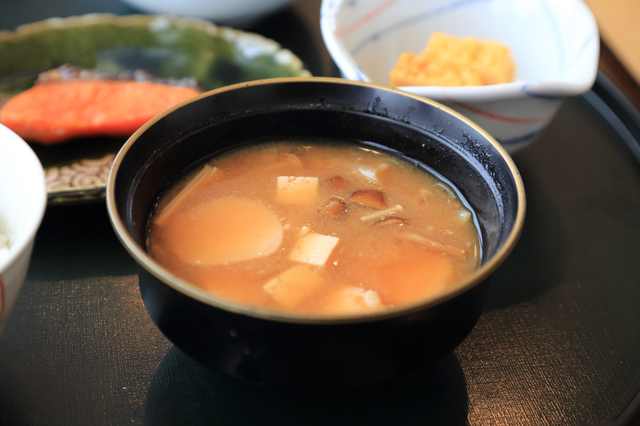
WASHOKU is not simply a term used to describe Japanese food. It represents a comprehensive cultural concept that includes history, religion, philosophy, social customs, and the Japanese way of life. To truly understand WASHOKU, one must understand Japanese culture itself.
In 2013, WASHOKU was registered as a UNESCO Intangible Cultural Heritage. This recognition was not given to specific dishes such as sushi or tempura, but to the cultural values and traditions associated with Japanese food. WASHOKU reflects a deep respect for nature, an appreciation of seasonality, and a strong sense of gratitude toward all forms of life.
- The Core Philosophy of WASHOKU
- Religious Influences: Shintoism and Buddhism
- Kaiseki Cuisine: The Highest Expression of WASHOKU
- Zen Buddhism and Plant-Based Cooking
- The Structure of a Traditional WASHOKU Meal
- Presentation and Aesthetics in WASHOKU
- Unconscious Cultural Practice Through Food
- The Meaning of “Itadakimasu” and “Gochisousama”
- Japanese Food Popular Among Foreigners
- The Globalization and Adaptation of Sushi
- WASHOKU and Health
- WASHOKU as a Cultural Ambassador
- Conclusion: WASHOKU as Living Culture
The Core Philosophy of WASHOKU
At the heart of WASHOKU is the idea of harmony with nature. Japanese cuisine emphasizes the use of seasonal ingredients, known as shun, which are consumed at the time when they are freshest and most flavorful. This practice developed in response to Japan’s climate and geography, as well as its traditional agricultural society.
Rather than relying on heavy spices or strong flavors, WASHOKU focuses on bringing out the natural taste of ingredients. This approach reflects a broader Japanese aesthetic that values simplicity, balance, and subtlety. These values can be seen not only in food, but also in Japanese architecture, art, and daily life.
Religious Influences: Shintoism and Buddhism
Japanese food culture has been strongly shaped by two major belief systems: Shintoism and Buddhism.
Shintoism teaches that spirits, known as kami, exist in all aspects of nature, including mountains, rivers, plants, and animals. Because of this belief, food is treated with respect, and wasting food is traditionally considered inappropriate.
Buddhism, which spread to Japan in the 6th century, introduced ideas of restraint, mindfulness, and compassion for living beings. For many centuries, meat eating was restricted, especially among monks and the ruling class. This restriction played a major role in the development of plant-based Japanese cuisine and the creative use of soybeans.
Kaiseki Cuisine: The Highest Expression of WASHOKU
One of the most refined and symbolic forms of WASHOKU is kaiseki cuisine. Kaiseki originated from the Japanese tea ceremony and is deeply connected to Zen Buddhism. It is designed not only to satisfy hunger, but also to create a meditative and aesthetic experience.
A kaiseki meal consists of multiple small dishes, each carefully prepared and presented. The selection of ingredients reflects the current season, and the colors, textures, and tableware are chosen to create harmony. In this way, kaiseki cuisine engages all five senses.
Zen Buddhism and Plant-Based Cooking
Zen Buddhism played a crucial role in shaping kaiseki cuisine. Because Zen monks were forbidden from eating meat, they developed highly sophisticated vegetarian dishes that could provide sufficient nutrition.
One example is ganmodoki, a dish made primarily from tofu and vegetables. Ganmodoki was originally created as a protein source for monks who were unable to eat meat. Its name literally means “imitation goose,” suggesting that it was intended to resemble meat while remaining plant-based.
Other essential ingredients in kaiseki cuisine include tofu and miso, both made from soybeans. These foods are rich in protein and nutrients and have become popular worldwide as healthy food options. However, their origins lie in the religious and cultural traditions of Japan.
The Structure of a Traditional WASHOKU Meal
A traditional WASHOKU meal typically follows the structure known as ichiju-sansai, which means “one soup and three side dishes.” This usually includes rice, miso soup, a main dish, and two side dishes.
This structure encourages nutritional balance and moderation. Instead of large portions of a single dish, WASHOKU emphasizes variety and balance. This approach has been associated with the overall health and longevity of the Japanese population.
Presentation and Aesthetics in WASHOKU
In WASHOKU, how food looks is just as important as how it tastes. Presentation reflects the Japanese aesthetic sense, which values harmony, simplicity, and seasonality.
Dishes are often served on ceramics or lacquerware that match the season. For example, cool colors and glassware may be used in summer, while warm tones and heavier dishes are preferred in winter. Garnishes such as seasonal leaves or flowers are used to remind diners of nature.
Unconscious Cultural Practice Through Food
Many Japanese people are not always consciously aware of the cultural depth behind WASHOKU. However, by eating traditional Japanese meals in their daily lives, they remain subconsciously connected to Japanese culture.
Food becomes a way of passing cultural values from one generation to the next. Children learn table manners, expressions of gratitude, and seasonal awareness simply by eating meals at home.
The Meaning of “Itadakimasu” and “Gochisousama”
Before eating, Japanese people say “Itadakimasu.” After finishing a meal, they say “Gochisousama.” While these phrases are often translated as “Let’s eat” and “Thank you for the meal,” their meanings are much deeper.
“Itadakimasu” expresses gratitude to nature, to animals and plants that gave their lives, and to the people who contributed to the meal, such as farmers and fishermen. “Gochisousama” expresses appreciation for the effort involved in preparing the food.
These expressions reflect Buddhist ideas of respect for life and Shinto beliefs that emphasize gratitude toward others and the natural world.
Japanese Food Popular Among Foreigners
Japanese food has gained enormous popularity around the world. Among all Japanese dishes, sushi is the most widely recognized and consumed by foreigners.
Sushi is made by placing seafood or other toppings on vinegared rice known as shari. Common toppings include tuna, salmon, bonito, squid, shrimp, and eel. The simplicity of sushi highlights the freshness and quality of the ingredients.
Another popular type of sushi is gunkanmaki, which consists of sushi rice wrapped in nori (seaweed) and topped with ingredients such as natto, sea urchin, or finely chopped seafood.
The Globalization and Adaptation of Sushi
As sushi spread internationally, it evolved to suit local tastes. Outside Japan, sushi often includes ingredients such as avocado, cream cheese, and mayonnaise. These adaptations created new styles of sushi that are rarely eaten in Japan.
One famous example is the California roll, which became popular in the United States. While this type of sushi is not traditional, it played an important role in introducing Japanese food to a global audience.
WASHOKU and Health
WASHOKU is often praised for its health benefits. It is generally low in fat, high in vegetables and fish, and nutritionally balanced. The emphasis on moderation and variety contributes to overall well-being.
Fermented foods such as miso, soy sauce, and natto also support gut health. These foods have been part of Japanese cuisine for centuries, long before modern nutritional science recognized their benefits.
WASHOKU as a Cultural Ambassador
Today, WASHOKU serves as a cultural ambassador for Japan. Through Japanese food, people around the world are introduced to Japanese values such as harmony, respect, simplicity, and gratitude.
Even as Japanese cuisine continues to evolve, its cultural foundations remain strong. WASHOKU is not just nourishment for the body, but also a living expression of Japanese identity and spirituality.
Conclusion: WASHOKU as Living Culture
WASHOKU is far more than a collection of dishes. It is a cultural system that reflects Japan’s history, beliefs, and way of life. By understanding WASHOKU, one can gain deeper insight into Japanese culture itself.
Through seasonality, balance, gratitude, and respect for nature, WASHOKU continues to connect people to tradition in the modern world. In this sense, Japanese food is not only something to be eaten—it is something to be experienced, remembered, and passed on.