I’ve Lived in Central Japan for 40 Years — Here’s What Tourism Sites Get Wrong About My Country
By Yosi| Japan Unveiled
I have lived in central Japan my entire life.
Not Tokyo. Not the neon lights of Shinjuku or the famous crossing in Shibuya. I grew up in a quieter part of Japan — the Chūbu region, where the mountains are close, the rice fields go on forever, and the nearest convenience store is a five-minute drive away.
I am in my 40s now. I have watched Japan change dramatically over the decades — and I have also watched the way the world talks about Japan change, too. Travel blogs, YouTube channels, tourism websites — they have exploded in the last ten years. Everyone wants to write about Japan.
And honestly? Most of them get it wrong.
Not completely wrong. But wrong in ways that matter. Wrong in ways that give foreign visitors a picture of Japan that is… polished. Sanitized. A little too perfect.
So today, I want to set the record straight. Here are the things that tourism sites almost never tell you about my country — from someone who has actually lived here for four decades.
- 1. Japan Is Not Always Clean and Orderly
- 2. Japanese People Are Not Always Polite — They Are Disciplined
- 3. Tokyo Is Not Japan
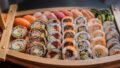
- 4. Japanese Food Is Not Just Sushi and Ramen
- 5. Japan Is Quietly Struggling — And Nobody Talks About It
- 6. The Language Barrier Is Real — and That Is Okay
- 7. The “Wa” — Harmony — Is Real, But It Has a Shadow Side
- So Why Does Any of This Matter?
1. Japan Is Not Always Clean and Orderly
Yes, the streets are cleaner than most countries. Yes, people queue neatly for trains. I am not going to deny that.
But tourism sites make it sound like Japan is some kind of spotless paradise where nothing is ever out of place. That is not reality.
Rural Japan — the Japan where I live — can be messy. Old buildings with peeling paint. Vending machines that haven’t been updated since 1998. Overgrown parking lots next to beautiful shrines. Rusted bicycles chained to poles for so long that nobody remembers who owns them.
And even in cities, if you walk five minutes off the main tourist street, you will find the ordinary, imperfect, wonderfully real Japan that travel bloggers never photograph.
That Japan is my Japan. And I love it far more than the postcard version.
2. Japanese People Are Not Always Polite — They Are Disciplined
This is a big one.
Tourism sites love to talk about how “polite” Japanese people are. And in a surface sense, that is true. Nobody will shout at you. Nobody will cut in line. Service staff will bow and smile and use honorific language.
But politeness and warmth are not the same thing.
Japanese social culture is built on discipline and restraint, not necessarily on genuine warmth toward strangers. We are trained from childhood to control our emotions in public, to not cause trouble, to keep things smooth. That is not politeness — that is a cultural code.
What this means in practice: a Japanese person may smile at you, bow at you, and help you find your train platform — and then go home and never think about you again. That is not rudeness. That is just how social interaction works here.
If you visit Japan expecting everyone to be your warm, enthusiastic friend, you may feel strangely lonely despite being surrounded by helpful people. Many tourists experience this without understanding why.
3. Tokyo Is Not Japan
I cannot stress this enough.
When people say “I visited Japan,” they usually mean they visited Tokyo, maybe Kyoto, maybe Osaka. That is like visiting New York and Los Angeles and saying you understand America.
The Japan I know — central Japan, the Chūbu region — is completely different from Tokyo. The pace is slower. People know their neighbors. There are festivals in tiny villages that have been celebrated for five hundred years and that no foreign tourist has ever seen.
Mount Fuji is right here, in my backyard essentially. The green tea fields of Shizuoka stretch out in the morning mist. The city of Nagoya has its own food culture, its own dialect, its own personality — and almost no tourism site covers it properly.
If you only visit Tokyo, you are seeing maybe 10% of what Japan actually is. The other 90% is out here, waiting, largely ignored.
4. Japanese Food Is Not Just Sushi and Ramen
I say this as someone who is deeply, almost embarrassingly, in love with sushi.
Tourism sites have reduced Japanese food to about five dishes: sushi, ramen, tempura, udon, and maybe tonkatsu. And yes, all of those are wonderful. But Japanese cuisine is one of the most regional food cultures in the world.
Here in central Japan alone, we have:
Hitsumabushi — grilled eel over rice, eaten in three different ways in the same bowl. It is Nagoya’s greatest treasure and most tourists have never heard of it.
Miso katsu — pork cutlet covered in a rich, dark red miso sauce. Not the light miso you find in Tokyo. A completely different flavor world.
Tenmusu — a rice ball with a shrimp tempura inside. It sounds simple. It is extraordinary.
Kishimen — flat, wide noodles served in a dashi broth. A completely different texture and experience from regular udon.
None of these appear on most “Japanese food” lists. They are hidden behind the five famous dishes that tourism sites repeat endlessly.
Real Japanese food culture is regional, seasonal, and deeply tied to local history. You cannot experience it from a travel blog. You have to show up, walk into a small local restaurant, point at something on the menu you do not recognize, and trust the process.
5. Japan Is Quietly Struggling — And Nobody Talks About It
Tourism sites show you the bright, modern, efficient Japan. The bullet trains. The high-tech toilets. The vending machines that sell everything.
What they do not show you is the Japan that is quietly facing some very serious challenges.
The population is shrinking. I have watched small towns near me slowly empty out over the decades. Shops close. Schools close. Young people move to the cities. Old buildings stand empty on main streets that were once busy.
Japan’s birth rate is one of the lowest in the world. Many of my generation — people in their 40s — chose not to have children, or had one child, or got married very late if at all. The social pressure to conform, to work long hours, to sacrifice personal life for the company — it takes a toll that no tourism brochure will ever mention.
There is also a loneliness epidemic that is very real and very rarely discussed. Japan even had a Minister of Loneliness appointed a few years ago. Behind the orderly streets and the efficient train systems, many people — especially in cities — live in profound isolation.
I am not saying this to be negative about my country. I love Japan deeply. But I think foreign visitors deserve to understand the full picture, not just the highlights reel.
6. The Language Barrier Is Real — and That Is Okay
Tourism sites often say things like “Japan is easier to navigate than you think!” and “Most signs are in English now!”
This is… partly true. In Tokyo, in major tourist areas, yes. You will manage.
But step outside the main tourist zones — come to central Japan, visit a local restaurant in a small town, try to ask for directions from an elderly person on the street — and the language barrier becomes very real, very fast.
Most Japanese people of my generation studied English in school for six years and still cannot have a basic conversation. Not because they are unintelligent — Japanese people are extraordinarily hardworking and educated — but because the way English is taught in Japan focuses on grammar and reading, not speaking and listening.
My own English, as you can probably tell, is self-taught. I learned it by reading, watching, and making many, many mistakes.
The point is: do not let tourism sites convince you that Japan is fully accessible without any language effort. Learning even ten phrases in Japanese — hello, thank you, excuse me, this please, where is the station — will transform your experience completely. Japanese people respond with genuine warmth when a foreigner makes even a small effort with the language.
7. The “Wa” — Harmony — Is Real, But It Has a Shadow Side
One of the most beautiful things about Japanese culture is the concept of wa — harmony. The idea that the group matters more than the individual. That you should not cause trouble. That social peace is more important than personal expression.
This is genuinely beautiful in many ways. It is why Japan feels so orderly and safe. It is why strangers help each other without being asked. It is why, even in a crowded city, there is a kind of quiet dignity to daily life.
But wa also has a shadow side that tourism sites never mention.
It can make it very difficult to be different. To speak up when you disagree. To say “no” when you mean no. Many Japanese people — especially younger generations — feel enormous pressure to conform, to fit in, to suppress the parts of themselves that might disturb the harmony.
Otaku culture, which I write about a lot on this blog, is in many ways a response to this pressure. When you cannot fully express yourself in the real world, you find spaces — anime, manga, games, fan communities — where you can be completely yourself without judgment.
Understanding wa means understanding both the beauty and the weight of Japanese social life. And I think that is worth knowing before you visit.
So Why Does Any of This Matter?
Because Japan deserves to be understood, not just admired.
When tourism sites show only the perfect version of Japan — the clean streets, the bowing staff, the cherry blossoms, the perfect bowls of ramen — they are doing a disservice to everyone. To foreign visitors who arrive with unrealistic expectations. And, honestly, to Japanese people like me, who live in a real, complicated, deeply human country that is so much more interesting than the postcard version.
I started this blog because I wanted to share the Japan I actually know. Not the Japan of travel brochures. The Japan of Saturday morning at a local fish market. The Japan of a tiny festival in a village no tourist has ever found. The Japan of a bowl of hitsumabushi eaten alone on a rainy Tuesday, which somehow tastes like home.
That Japan exists. It is here. And it is worth knowing.
— Yosi Central Japan, 2026
If this article resonated with you, I’d love to hear your thoughts. Use the contact form or share this article with someone who is planning to visit Japan. And if you have questions about real life in Japan — the kind of questions you can’t find answers to on tourism sites — feel free to ask. That’s exactly what this blog is for.