The Art of Dashi: Japan’s Invisible Flavor
By Yosi | WASHOKU (Japanese food)
If you have ever tasted a bowl of miso soup in Japan and thought, “Why does this taste so much better than the one I made at home?”— the answer is probably dashi.
Dashi is not famous. It does not have a strong smell. It does not have a color. If you sip it on its own, you might even wonder what the fuss is about.
But take it away, and everything falls apart.
What Is Dashi, Exactly?
Dashi is a Japanese cooking stock. But calling it a “stock” feels almost wrong — like calling a symphony “background noise.”
It is made by soaking or briefly simmering a small number of natural ingredients in water. The most classic combination is kombu (dried kelp) and katsuobushi (shaved dried bonito). Together, they create a liquid that is light, clean, and — this is the key — deeply savory in a way that is hard to put into words.
That savory quality has a name: umami. And dashi is perhaps the purest expression of umami that exists in any cuisine in the world.
The Two Stars: Kombu and Katsuobushi
Let me introduce the two main characters.
Kombu is a thick, dark green seaweed that is dried and sold in flat sheets. It looks a little like a piece of old leather. You would never guess that soaking it in cold water for thirty minutes could produce something so quietly delicious. Kombu is rich in glutamate — one of the key compounds behind umami — and it gives dashi a soft, oceanic depth.
Katsuobushi is bonito fish that has been smoked, fermented, and dried until it becomes almost rock-hard. It is then shaved into paper-thin flakes that are so light, they seem to dance in warm air. When you add katsuobushi to hot kombu water and let it steep for just a few minutes, something magical happens. The flakes give the broth a smoky, slightly sweet richness that kombu alone cannot provide.
Together, kombu and katsuobushi do something that neither can do alone. Scientists now know that glutamate (from kombu) and inosinate (from katsuobushi) work together to multiply the sensation of umami many times over. Japanese cooks discovered this centuries ago — not through science, but through taste.
It Is Not Just One Dashi
Here is something that surprises many people: there is no single “correct” dashi. Different regions, different dishes, and different cooks use different combinations.
Kombu dashi — made from kelp alone — is gentle and vegetarian-friendly. It is often used in delicate dishes like chawanmushi (savory egg custard) or for cooking tofu.
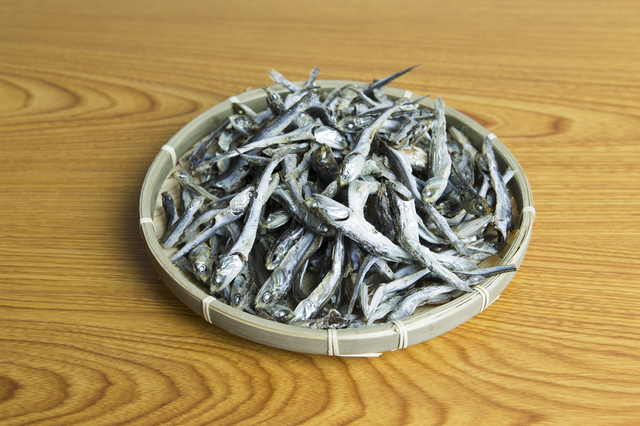
Niboshi dashi — made from small dried sardines — is stronger and more rustic. It is popular in eastern Japan and gives miso soup a bold, slightly bitter edge that I personally love.
Shiitake dashi — made from dried shiitake mushrooms — is earthy and rich. It appears often in Buddhist vegetarian cooking (shojin ryori), where fish and meat are not used.
And then there is awase dashi — the “combined” dashi made from both kombu and katsuobushi. This is the one you will find in most Japanese home kitchens and professional restaurants. It is the foundation of everything from ramen broth to dipping sauces to the glaze on a piece of tamagoyaki (rolled egg).
Why It Matters So Much
I grew up watching my mother make dashi every morning. She never measured anything. She knew by sight how much kombu to use, and by smell when the katsuobushi had steeped long enough. The whole process took maybe ten minutes. But without it, breakfast — miso soup, a little simmered vegetable, rice — would have been completely different.
Dashi is not a flavor you notice. It is a flavor you feel. It rounds out sharpness, deepens sweetness, and fills in the spaces between other ingredients. Chefs sometimes describe it as “the flavor that makes other flavors taste more like themselves.”
Outside Japan, umami was not even recognized as one of the basic tastes until the early 2000s — long after a Japanese scientist named Kikunae Ikeda first identified it in 1908 while studying kombu. He was trying to put a name on something that Japanese cooks had been doing for over a thousand years.
Can You Make It at Home?
Yes — and it is easier than you think.
For a simple kombu dashi, place a piece of dried kombu (about 10 cm) in 1 liter of cold water. Let it sit for 30 minutes, or overnight in the refrigerator for a deeper flavor. Remove the kombu just before the water comes to a boil. That is it. Clean, light, and surprisingly complex.
For awase dashi, bring the kombu water to just below boiling, remove the kombu, add a generous handful of katsuobushi flakes, and turn off the heat. Let them steep for 3 to 4 minutes, then strain. The result is the liquid that sits at the heart of Japanese cooking.
You can use it immediately, or store it in the fridge for up to three days.
A Final Thought
Dashi teaches you something important about Japanese food philosophy: that the best flavor is often the one you cannot quite see.
Other cuisines build their broths over hours. Japanese cooking often achieves something deeper in minutes — not through power, but through precision. Through knowing exactly which ingredients to choose, and exactly when to stop.
There is a word in Japanese aesthetics: ma (間). It means “the space between things.” Dashi is the ma of Japanese cooking. It is the pause between notes that makes the music make sense.
Once you understand dashi, you begin to understand something larger — the quiet confidence that runs through all of washoku.
And the next time you taste a bowl of miso soup that stops you mid-sip and makes you think, wait, what is that? — now you know.
Hi, I’m Yosi — a Japanese food lover based in central Japan. I write about washoku to help the world understand what makes Japanese food so special, one bowl at a time.