Depachika: Japan’s Underground Food Paradise
By Yoshi | Japan Unveiled
The basement of a Japanese department store is one of the best arguments for cities.
I mean this seriously. If you want to explain to a person who has never been to Japan what Japan does with food that most of the world does not, the most efficient method is to take them to the basement floor of a major Japanese department store — a depāto — and walk them slowly through the chika (underground), the food floor.
The depachika (デパ地下) — the contraction of depāto and chika — is an institution that has no close equivalent in any other country’s retail culture. It is simultaneously a grocery store, a prepared food market, a confectionery showcase, a deli counter, a wine shop, and an exhibition of the highest expressions of Japanese food culture in its commercial form.
And it is, almost always, extraordinarily beautiful.
What the Depachika Contains
The organisation of a major depachika — the Isetan in Shinjuku, the Mitsukoshi in Ginza, the Takashimaya in Nihonbashi — follows a specific layout that varies in detail but shares a consistent structure.
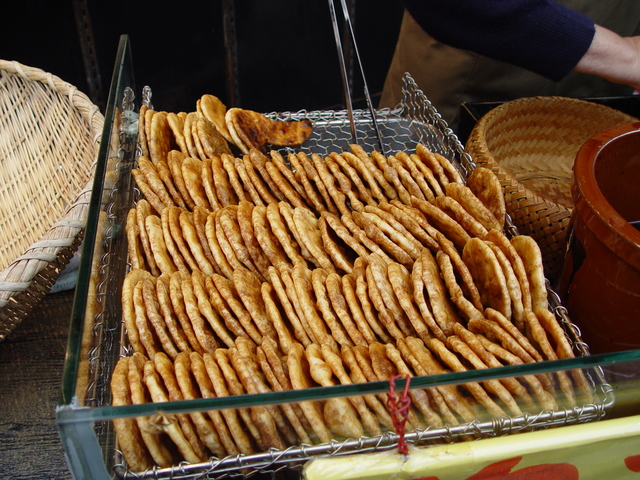
The wagashi and confectionery section. The most visually striking part of most depachika — the display cases of traditional Japanese sweets and contemporary confections arranged with the specific attention to presentation that the top wagashi-ya bring to their products. The seasonal offerings change with the month, the weekly specials are displayed separately, and the total selection available at any given time is the most concentrated exhibition of Japanese confectionery craft available outside of a dedicated festival.
The prepared foods and bento section. The specific prepared foods section of a Japanese depachika — the range of sōzai (prepared dishes), the elaborate bento boxes, the specific prepared fish and vegetable preparations — is itself worth an extended examination. The quality of the sōzai available at a major depachika is genuine: the braised vegetables are properly seasoned, the prepared fish dishes use appropriate fish properly treated, the various rice and noodle preparations are made that morning.
The fresh fish counter. The fish counter of a major depachika is a serious operation. The fish available is sourced from the best wholesale markets — at the major Tokyo depachika, from Toyosu Market — and presented with the specific attention to provenance, species, and cut that the Japanese fish market tradition demands. The sashimi platters available for purchase are composed from this day’s best fish.
The cheese and charcuterie section. The European foods sections of major depachika are often as well-curated as the Japanese sections — the selection of European cheese, the cured meats, the imported wines — reflecting the specific Japanese enthusiast culture around European food and wine that has developed since the Meiji period.
The bread section. Japanese artisan bread culture — which I have not written about at length but which deserves specific mention — has produced bakeries of genuine quality that are well-represented in major depachika. The specific Japanese approach to bread (softer, slightly sweeter, with specific shapes and fillings that are specifically Japanese) is one of the more charming examples of Japanese culinary adaptation.
The Experience of Shopping There
The specific experience of shopping in a depachika has qualities that distinguish it from grocery shopping in most other contexts.
The service quality. The staff behind each counter at a depachika are trained specifically in the products they sell — the wagashi counter staff can explain each piece’s seasonal significance, the fish counter staff can describe the specific provenance and the optimal preparation for each piece. The quality of expertise available at the counters of a major depachika is genuinely remarkable.
The sampling culture. Many depachika counters offer samples — small pieces of the products available for purchase — that allow customers to evaluate quality before purchasing. The specific sample offered at the best counters is the best available piece of what they are selling, which represents a genuine commitment to quality demonstration.
The packaging. I have written separately about Japanese packaging culture. The depachika is the most concentrated demonstration of this culture in a retail context: the specific wrapping of each purchased item, the specific bag in which the items are carried, the specific ribbon that closes the wrapped gift — all express the specific care that the depachika staff bring to the final presentation of what has been purchased.
The seasonal event culture. Major depachika hold specific seasonal events — the ekiben taikai (train station bento festival) that brings ekiben from across Japan to a single display, the summer sweets showcase, the autumn mushroom special — that draw food enthusiasts specifically to the depachika at specific times of year.
The Depachika as Japanese Food Culture in Miniature
I want to make an explicit argument for why the depachika is worth visiting seriously by anyone who wants to understand Japanese food culture.
The depachika concentrates, in a single floor, the full range of what Japan has developed in food — from the most traditional wagashi to the most contemporary confectionery innovation, from the finest fresh fish to the most carefully curated European imports. It presents this range at its commercial best — the products that are actually available for purchase are the products that the relevant producers consider their finest.
The depachika is also an honest index of Japanese food taste: what is displayed here, in large quantities, represents what Japanese consumers of sophisticated food taste actually want. The proportion of space given to wagashi versus Western desserts, to Japanese prepared foods versus international equivalents, to specific fish types and specific cuts — all of this is a record of the specific priorities of Japanese food culture as it actually exists, rather than as it is idealised.
— Yoshi 🏬 Central Japan, 2026