Japanese Sweets and Chocolate: How Japan Reinvented Dessert
By Yoshi | Japan Unveiled
Valentine’s Day in Japan works differently from anywhere else in the world.
On February 14th, it is the women who give chocolate to the men — not the other way around. And the chocolate given is divided into two specific categories with specific social meanings: honmei choco (本命チョコ) — “true feeling chocolate,” given to a romantic partner or someone the giver genuinely loves — and giri choco (義理チョコ) — “obligation chocolate,” given to male colleagues, bosses, and friends out of social duty rather than romantic feeling.
One month later, on March 14th, the men reciprocate. White Day — a holiday invented by Japanese confectioners in 1978 — is the occasion on which men return the gift, traditionally with white chocolate or other white sweets, to the women who gave them Valentine’s chocolate.
I am describing this specific cultural construction not to explain Japanese Valentine’s Day — though it is interesting in its own right — but to illustrate something broader: Japan has a specific relationship with chocolate and sweets that is unlike that of any other culture, characterised by the specific creative energy that Japan consistently brings to imported cultural forms and by the specific intersection of Japanese aesthetic values with the global confectionery tradition.
The Chocolate Revolution: How Japan Made Chocolate Its Own
Japan imports the chocolate tradition from Europe but produces something specifically different from it. The Japanese chocolate industry — dominated by companies including Meiji, Lotte, Morinaga, Glico, and Fujiya — has developed specific product categories, specific flavour combinations, and specific cultural associations that are genuinely Japanese rather than simply adaptations of European originals.
The Pocky phenomenon. Pocky (ポッキー) — the thin biscuit stick partially dipped in chocolate coating, produced by Glico since 1966 — is Japan’s most internationally recognised confection and a genuinely original product that has no European precursor. The specific format — the bare end that allows holding without chocolate contact, the thin biscuit that provides crunch against the chocolate coating — is simple and ingenious, and the enormous range of flavours developed since the original milk chocolate version (strawberry, matcha, almond, various regional limited editions) demonstrates the specific Japanese capacity for systematic variation of a successful format.
The Kit Kat transformation. I have written about this in the Strange Things section, but it belongs here too: Japan has transformed a standard British chocolate bar into one of the most culturally significant confection categories in the world through the development of regional limited-edition flavours. The matcha Kit Kat, the hojicha Kit Kat, the regional citrus varieties — these are Japanese creative products that happen to use a British brand as their vehicle.
The nama chocolate (生チョコレート). Fresh chocolate — ganache-based chocolate with high cream content, producing a smooth, truffle-like texture — was developed and popularised in Japan primarily by the Hokkaido company Royce’, which produces nama chocolate in various flavours including a celebrated Hokkaido milk-based variety. The specific texture of nama chocolate — softer and more immediately melting than conventional chocolate, richer from the higher cream content — is a Japanese innovation in the chocolate category.
The chocolate-matcha synthesis. Japan’s specific capacity for combining its own culinary tradition with imported products is nowhere more visible than in the matcha-chocolate intersection — the matcha truffles, matcha Kit Kats, matcha chocolate bars that represent the most commercially significant Japanese-specific flavour in the global chocolate market.
Japanese Traditional Sweets in the Modern Context
The traditional Japanese confectionery tradition — wagashi — exists alongside and in dialogue with the modern confectionery industry in ways that produce interesting creative tensions and interesting syntheses.
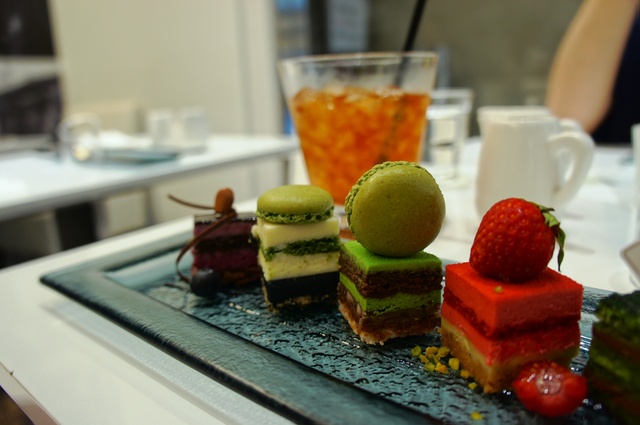
The Japanese chocolate experience at its most refined often incorporates wagashi aesthetics: the seasonal presentation, the visual attention to the specific piece’s appearance, the specific size calibrated for a single complete experience rather than for continuous consumption. The chōcolate yokan (chocolate-flavoured adzuki jelly) that appears at traditional wagashi shops during the winter season, the chōkolate mochi that department stores sell as seasonal specialties — these are syntheses of the two traditions that reflect the specific Japanese capacity for finding the natural intersection of apparently different aesthetic traditions.
The Seasonal and Limited Edition Culture
Japan’s confectionery market is perhaps the world’s most intensive practitioner of the limited edition seasonal product — the specific product that is available only at a specific time of year, or only in a specific region, and that creates the specific consumer urgency of the product that will not be available if not purchased now.
The sakura season confection market — the explosion of cherry blossom-flavoured and cherry blossom-themed products that appears from late February through early April — is the most dramatic annual example. Every major confectionery brand introduces cherry blossom flavour variants during this period: sakura Kit Kats, sakura Pocky, sakura Haagen-Dazs, sakura-mochi flavour ice cream. The products are genuine to the season’s character — the specific delicate, slightly saline, slightly floral flavour of sakura is genuinely pleasant — and the limited availability creates a specific seasonal appreciation that echoes the mono no aware relationship to the cherry blossoms themselves.
The summer fruit confections, the autumn chestnut and sweet potato sweets, the winter products incorporating yuzu and mikan and the warming flavours of the cold season — the seasonal rotation of Japanese confectionery creates a calendar of specific confectionery experiences that parallels the seasonal rotation of Japanese food more broadly.
Where to Experience Japanese Sweets
Department store basement floors (depachika) — the most comprehensive showcase of the full range of Japanese confectionery, from traditional wagashi to modern chocolate to regional specialty confections. The Isetan Shinjuku basement, the Mitsukoshi Ginza basement, and the basement food floors of major department stores in Osaka and Nagoya are the most consistent concentrations of confectionery quality.
The regional specialty gift market — every major Japanese train station’s omiyage section is a concentrated exhibition of regional confectionery identity. The specific name confections of each region — the Tokyo Banana, the Yatsuhashi of Kyoto, the Momiji Manju of Hiroshima — are the most commercially developed expression of regional confectionery culture.
The Royce’ factory and gift shops in Hokkaido — where the specific cold-climate fresh chocolate of Japan’s northern island can be purchased in its freshest form and where the production process is visible to visitors.
— Yoshi 🍫 Central Japan, 2026