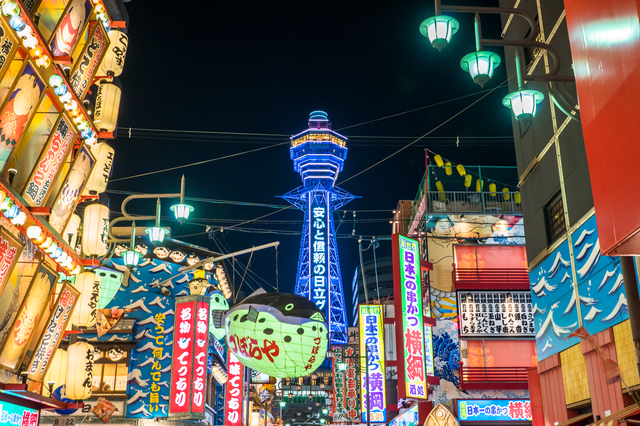
By Yoshi | Japan Unveiled
There is a specific kind of Japanese evening that I have been trying to recreate, in various forms and with various companions, for most of my adult life.
It begins at approximately seven o’clock, in a small izakaya — not the chain izakaya with its laminated menus and its manufactured warmth, but the specific small izakaya that has been in the same location for twenty years, that is run by a couple in their late fifties who know their regulars by name, that has a handwritten menu on the wall and a specific smell (charcoal, soy, alcohol, the wood of old furniture) that is present from the moment the noren curtain parts and you step inside from the street.
The evening proceeds in a specific way. The first drink arrives quickly — toriaezu bīru (beer for now) — and with it a small dish of something, because Japanese izakayas do not serve drinks without food. Then the ordering begins: not the full meal ordered at once, as in a Western restaurant, but piece by piece across the evening, each dish arriving as it is ready, the eating and the drinking and the conversation interleaved in a specific rhythm that the izakaya format both requires and facilitates.
By eleven o’clock, three hours and several rounds of food and drink and conversation later, something specific has happened: the people at the table know each other differently than they did when they sat down. The specific social lubricant of the izakaya — the food, the drink, the specific informality of the setting, the specific permission that the occasion grants — has produced a quality of honest, relaxed communication that the formal social scripts of Japanese professional and social life do not usually allow.
This is what the izakaya is. Let me tell you about it in full.
What an Izakaya Is
Izakaya (居酒屋) — the characters mean approximately “staying-drinking-shop” — is the specifically Japanese drinking establishment that serves food alongside alcohol, in which the food and the drinking are genuinely integrated rather than one being an accessory to the other.
The izakaya is not a pub in the British sense, where food is available but secondary. It is not a restaurant in the Western sense, where the meal is the primary event and drinks are its accompaniment. It is something specifically in between: an establishment whose reason for being is the specific combination of good food and good drink in a specific social setting that facilitates the specific quality of social interaction that Japanese people call nomunication (ノミュニケーション — from nomu, to drink, and communication).
The physical characteristics of a typical izakaya: it is small. The standard izakaya counter — the L-shaped or straight bar at which solo diners and small groups eat facing the kitchen — has perhaps eight to twelve seats. The small tables for groups of two to four fill the remaining floor space, sometimes with low partitions between them. The ceiling is low. The lighting is warm but not romantic — bright enough to see the food and the faces of your companions, dim enough to create the specific atmosphere of somewhere removed from the formality of the day.
The History: From Sake Shop to Social Institution
The izakaya emerged from the specific commercial landscape of the Edo period (1603-1868), in which sake shops (sakaya — 酒屋) began offering seating and simple food alongside their primary business of selling sake. The sake shop that allowed customers to drink on the premises — and that provided salted vegetables or simple grilled items to accompany the drinking — was the specific institutional ancestor of the modern izakaya.
The specific Edo period social context that produced the izakaya: the city of Edo (modern Tokyo) had an unusually high proportion of single male residents — the specific population of workers, craftsmen, and various other people who had come to the city without their families and who needed specific social spaces where they could eat, drink, and maintain the human connections that domestic life normally provides. The izakaya served this population by providing a specific domestic-adjacent social space: warm, fed, accompanied.
The postwar development of the izakaya was shaped by the specific economic and social conditions of Japan’s rapid industrialisation. The salaried worker — the sarariman — who spent long hours at a company and needed a specific decompression space between the end of work and the return home found in the izakaya exactly the transition he needed. The izakaya’s specific social permission — the implicit understanding that what happens at the izakaya is slightly outside the normal social rules, that a degree of honesty and relaxation is permitted that the office does not allow — made it the specific venue for the workplace social bonding that Japanese company culture values.
The Menu: What to Order and in What Order
The izakaya menu is one of the most specific and most specific-knowledge-dependent in Japanese food culture. The uninitiated visitor who sits down at an izakaya and opens the menu — which may be a physical laminated book, a set of handwritten boards, or a small card — faces a specific challenge: what to order, in what order, in what quantities.
The specific ordering convention: izakaya eating is not the Western structure of starter, main course, dessert. It is a sequence of small dishes ordered across the evening, with each dish intended to accompany the current drink rather than to constitute a course in a planned progression. The experienced izakaya eater orders several dishes to start, evaluates the pace of eating and drinking, and orders more as needed, with the evening’s total food consumption being the accumulation of many small decisions rather than one large planned meal.
The edamame. The first thing ordered at most izakayas, alongside the first drink, is edamame (枝豆) — boiled salted soy beans, eaten by pushing the beans from the pod with the teeth. Edamame is the izakaya snack that is so universally present that it functions as a signal: the edamame’s arrival means the evening has officially begun. It is light, it is salted, and it is the specific flavour that pairs most naturally with the first cold beer of the evening.
The otōshi. In many izakayas, the first drink is accompanied by a small dish that arrives without being ordered — the otōshi (お通し) or tsukidashi (突き出し), a small appetiser charge that serves as the izakaya’s cover charge in the form of food. The otōshi is typically a small seasonal preparation — a few bites of a marinated vegetable, a small serving of tofu, a couple of pieces of fish — and is charged at approximately 300 to 500 yen per person. Many regular izakaya goers have strong opinions about the quality of a particular establishment’s otōshi as an indicator of the kitchen’s overall standard.
The yakitori. The grilled skewered chicken that is the most reliably excellent of izakaya dishes across the widest range of establishments. The specific yakitori ordering at a typical izakaya: a selection of different cuts — momo (thigh), negima (thigh and green onion), tsukune (chicken meatball), kawa (skin), rebā (liver) — in the specific proportions that the group’s preferences require, in the choice of tare (sweet soy sauce glaze) or shio (salt) seasoning that each cut is best suited for.
The sashimi. A standard izakaya will offer a sashimi moriawase (assorted sashimi plate) as part of its standard menu. The quality of izakaya sashimi varies significantly — from the excellent fish of an izakaya that sources carefully and turns over its fish rapidly, to the mediocre fish of an establishment that does not prioritise the sashimi category. The experienced izakaya goer assesses this quality at the beginning of the evening and orders or does not order accordingly.
The karaage. Japanese fried chicken is the most consistently ordered izakaya dish across the widest range of customers — from first-time visitors to thirty-year regulars. The specific karaage of a good izakaya — marinated in soy, sake, and ginger, coated in potato starch, and fried to the specific golden crispiness at which the outside is crunchy and the inside is juicy — is one of the most reliably excellent individual dishes in the Japanese food landscape.
The dashimaki tamago. The Japanese rolled omelette — dashimaki tamago (だし巻き卵) — in which eggs are beaten with dashi and mirin and rolled into a specific layered cylinder as they cook, producing a specific soft, custardy, lightly sweet egg preparation — is one of the most specifically Japanese of all izakaya dishes and one that demonstrates the kitchen’s technical level more clearly than most other dishes on the menu.
The Chain Izakaya vs. The Local: Understanding the Difference
The Japanese izakaya landscape is divided between two broad categories that produce quite different experiences, and understanding the difference is essential for the visitor who wants to choose correctly.
The chain izakaya. Establishments such as Watami, Torikizoku, Shoya, Tsukada Nojo, and various others operate hundreds of locations nationally, with standardised menus, standardised decor, and standardised service. The chain izakaya is comfortable, predictable, and affordable — the prices are typically lower than independent establishments, the food is consistent if rarely exceptional, and the experience is legible without local knowledge.
The specific advantage of the chain izakaya for visitors: the menu is typically available in English or with photographs, the staff are trained to handle non-Japanese speakers with specific procedures, and the experience requires no specific local knowledge to navigate. The chain izakaya is a perfectly acceptable place to spend an evening and eat and drink adequately well.
The local izakaya. The independent, neighbourhood izakaya — typically small (fewer than thirty seats), owner-operated, with a handwritten menu reflecting what the owner felt like cooking that day — is where the specific magic of the izakaya format is most fully realised. The food at the best local izakayas is genuinely excellent — not restaurant-exceptional, but specifically good in the way that food cooked by someone who cares about it is specifically good. The atmosphere is the specific warmth of a space that has been inhabited by the same people across many years.
The challenge for visitors: the local izakaya requires specific local knowledge to find, may not have an English menu, and may have staff with limited English. The specific recommendation: ask a Japanese colleague, friend, or hotel concierge to identify a specific local izakaya in the neighbourhood you are spending your evening in. The recommendation from someone who knows will produce a better result than the review aggregator.
The Specific Social Rules: What to Do and What Not to Do
The izakaya has specific social conventions that are worth understanding before sitting down.
Wait to be seated. Even in establishments where it seems obvious where to sit, the Japanese convention is to wait for a staff member to seat you. This is not merely protocol — it allows the staff to manage the kitchen’s capacity and the table arrangements efficiently.
The oshibori. Upon sitting, a small hot or cold towel (oshibori — 御絞り) will be brought for wiping the hands. This is used to wipe the hands (not the face), placed back in its holder, and is the specific signal that the ordering can begin.
Do not pour your own drink. The specific convention of pouring for others rather than for yourself — which I described in the drinking culture article — applies with particular force in the izakaya setting.
Shouting sumimasen is appropriate. In Japanese restaurants generally, catching a server’s attention by calling out is acceptable and expected. The specific word is sumimasen (すみません — excuse me), called out at a reasonable volume to attract a server’s attention. This is not rude — it is the standard mechanism for ordering in Japanese casual dining.
The bill. In Japanese izakayas, the bill is typically brought to the table when requested (by calling okaikei onegaishimasu — お会計お願いします — “the bill, please”) and is settled at the table or at the register. Tipping is not practised in Japan and should not be attempted.
— Yoshi 🍶 Central Japan, 2026
Enjoyed this? You might also like: “Japanese Drinking Culture: Kanpai, Nomihoudai, and the Unwritten Rules” and “Yakitori: The Art of the Skewer — Japan’s Greatest Street Food” — both available on Japan Unveiled.