Hiking in Japan: The Mountains Nobody Talks About (Because Everyone Goes to Fuji)
By Yoshi | Japan Unveiled
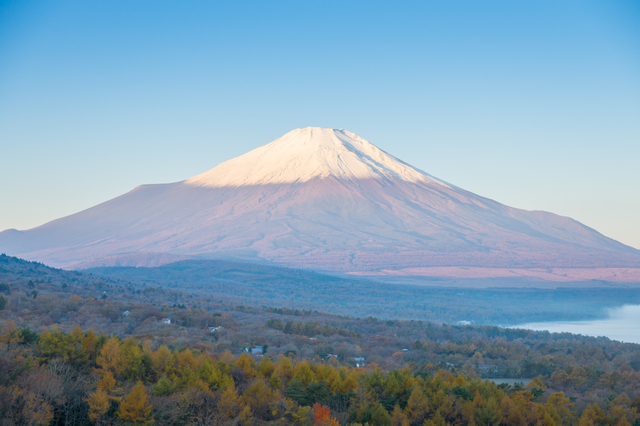
Every August, approximately 220,000 people climb Mount Fuji.
This is a staggering number — approximately 2,400 people per day during the official climbing season, concentrated on a mountain that has a limited number of trails and a summit that is not large. The specific experience of climbing Fuji in August — the trail densely populated with climbers of varying fitness and preparation, the mountain huts crowded, the summit cold and often obscured by cloud, the descent a tedious shuffle down the volcanic gravel — is one that many people find considerably less transcendent than they anticipated.
The mountain is beautiful. The climb is frequently miserable. The view from the summit, when visible, is extraordinary. The experience of achieving something that several hundred thousand other people also achieved in the same summer is specific in a way that the phrase “climbing Mount Fuji” does not fully prepare you for.
I have climbed Fuji once. I have no particular desire to climb it again.
I live in central Japan, which means I live within reasonable distance of some of the most extraordinary mountain landscapes in the country — landscapes that receive a fraction of the international attention that Mount Fuji receives and that offer hiking experiences that are, in my entirely unbiased assessment, more interesting, more varied, more beautiful, and significantly less crowded.
I want to tell you about them.
The Japanese Alps: What Central Japan Has
The area of central Japan that I am describing — the mountain spine of Honshu that runs through Nagano, Gifu, Toyama, and the surrounding prefectures — is known collectively as the Japanese Alps. The name was given by the British missionary and mountaineer Walter Weston, who explored the range in the late nineteenth century and published Mountaineering and Exploring in the Japanese Alps in 1896 — the book that introduced the mountains to the international climbing community.
The Japanese Alps are divided into three ranges: the North Alps (Kita Alps or Hida Mountains), the Central Alps (Chūō Alps or Kiso Mountains), and the South Alps (Minami Alps or Akaishi Mountains). All three ranges contain peaks exceeding 3,000 metres, dramatic ridge walking, genuine alpine environments, and the specific visual character of high Japanese mountains — a combination of open ridgelines, ancient forests, volcanic features in some areas, and the specific quality of Japanese mountain light that makes high-altitude views on clear days extraordinarily beautiful.
The Mountains I Recommend: Specific and Personal
The Kiso Komagatake (Central Alps): accessible by ropeway from the Koma Express bus terminal near Komagane in southern Nagano, this is the most accessible genuine alpine environment in Japan. The ropeway delivers hikers to approximately 2,650 metres, from which the summit of Hoken-dake (2,956m) is a two-to-three hour walk over dramatic open ridgeline. The Senjojiki Cirque — the glacial bowl visible immediately from the ropeway’s upper station — is one of the most immediately striking mountain landscapes in Japan. I have brought friends here who had never hiked seriously and who found the experience, with its combination of genuine alpine atmosphere and accessible logistics, one of the best days they had spent in Japan.
The Yatsugatake (Eight Peaks Range): stretching along the border of Nagano and Yamanashi prefectures, the Yatsugatake range offers the most diverse hiking in central Japan — from the relatively gentle through-hiking of the southern peaks (Nishi-Dake, Aka-Dake, Iou-dake) to the more technical winter mountaineering of the northern peaks. The range’s specific attraction is its variety: it can be experienced as a multi-day traverse across the full range, as a series of individual peak climbs, or as a gentle forest walk at the lower elevations. The hut system on the Yatsugatake is excellent — the mountain huts (sansō) that provide meals and accommodation for hikers are well-managed, well-staffed, and provide the specific pleasure of arriving at a hot meal after a day on the mountain.
The Kaikoma-Dake / Senjō-Dake traverse (South Alps): a two-day traverse that I consider one of the finest ridge walks in Japan. The South Alps are the least visited of the three ranges — partly because the approach is less convenient than the North Alps, partly because the specific character of the range (dense forest, steep approaches, limited infrastructure) makes it more demanding than the Central Alps’ ropeway-assisted access. The reward is some of the finest wilderness atmosphere in Japan: deep mountain forest, dramatic ridgeline, and the specific sense of genuine remoteness that is increasingly difficult to find in the accessible mountain ranges.
The Ontake-San: the active stratovolcano that rises to 3,067 metres south of the main North Alps range, and whose specific history — the catastrophic 2014 eruption that killed 58 climbers on a clear September day, in the most deadly volcanic accident in postwar Japanese history — gives it a specific weight that no other mountain in the region carries. Climbing Ontake is a specific experience of the relationship between beauty and danger that Japanese mountains embody, and the memorials to the 2014 victims near the summit are sobering in a way that changes the experience of looking at the mountain’s extraordinary views.
The North Alps: The Japanese Alps at Their Most Spectacular
The North Alps — the Hida Mountains — are the highest and most spectacular of the three ranges, and the area around Kamikochi (accessible by bus from Matsumoto) is the most internationally known mountain area in central Japan outside of the Fuji region.
Kamikochi is a high valley at approximately 1,500 metres, accessible only by foot or bus (private vehicles are prohibited), with the Azusa River running through it and the dramatic peaks of the North Alps rising on all sides. The specific visual quality of Kamikochi — the river reflections, the autumn foliage in October, the snow-capped peaks visible from the valley floor — is magnificent, and the area is accessible enough that it can be enjoyed as a day visit without serious hiking.
For the serious hiker, Kamikochi is the trailhead for some of the finest alpine routes in Japan: the traverse to Yari-Dake (the Matterhorn of the Japanese Alps, distinctive for its needle-like summit) and the subsequent ridgeline to Hotaka-Dake (3,190m, the highest peak in the North Alps) is a multi-day route of extraordinary quality.
Practical Advice for Hiking in Japan
The Japanese mountain system has specific practical characteristics that differ from hiking in other countries.
The hut system: Japan has an extraordinarily well-developed network of mountain huts (sansō) that provide accommodation and meals along most major hiking routes. The huts are typically not luxurious — sleeping arrangements are often communal (many people sharing a large sleeping area), and the food is functional mountain fare — but they are reliable, well-managed, and make multi-day mountain hiking accessible without requiring full expedition-level equipment.
The calendar: most high mountain routes in Japan are accessible only from mid-July through September or early October. Outside these windows, winter conditions — which are serious and require technical equipment and winter mountaineering skills — apply to high elevations.
The rescue system: Japan has an excellent mountain rescue system, supported by helicopter rescue capabilities. However, the costs of rescue can be significant, and travel insurance that covers mountain rescue is strongly recommended.
The registration system: the tozan-todoke (mountain registration) — registering your intended route with the local police before climbing — is legally required in some prefectures and strongly recommended in all. The registration provides rescue teams with essential information if you do not return as planned.
Why Mountains Matter in Japan
The Japanese relationship with mountains goes beyond recreation. Mountains in Japan are sacred — shinbutsu (sacred mountains) are sites of Shinto and Buddhist worship, and the specific act of mountain climbing has, in the Japanese tradition, a spiritual dimension that secular hiking does not quite capture.
The white-clad pilgrims who climb sacred mountains in the traditional style — Fuji-san, Ontake-san, Gassan — are performing a religious practice as much as a physical one. The mountain is not merely landscape. It is a place where the human and the divine are in closer proximity than in the flat, managed spaces of human settlement.
This understanding — that the mountain is sacred, that approaching it requires specific preparation and specific attitude — is, I think, why Japanese hikers have a specific quality of attention that I notice on the trail. The mountain is not being conquered. It is being approached.
This distinction matters. The mountains I have described in this article are worth approaching in this spirit.
— Yoshi ⛰️ Central Japan, 2026
Enjoyed this? You might also like: “Cherry Blossoms in Central Japan: Where Yoshi Actually Goes for Hanami” and “Japanese Gardens: The Philosophy Behind the Rocks and the Raked Sand” — both available on Japan Unveiled.