By Yoshi | Japan Unveiled
There is a specific preparation that appears in the most refined Japanese tea ceremony — the specific sweets that are served before the tea, that are meant to be consumed in full before the first sip of matcha is taken, that are produced by craftspeople who have spent decades mastering a tradition that is simultaneously culinary art, seasonal expression, and philosophical statement.
The sweet is a single piece of wagashi (和菓子 — Japanese confection), placed on a small lacquered plate or a specific piece of paper, presented without explanation to the guest who is expected to understand, from the specific form of the sweet, what season it represents, what natural phenomenon it references, and what specific variety of flavour it will provide before they have eaten it.
The specific sweet might be a nerikiri (練り切り) — a sculpted preparation of white bean paste and rice flour, formed by hand into the specific shape of a camellia blossom or a snow crystal or a maple leaf, coloured with specific natural pigments to the exact colours of the seasonal reference. Or it might be a higashi (干菓子 — dried confection), pressed from sugar and fine rice flour into a specific mould that produces the specific shape and the specific surface texture of a chrysanthemum or a pine cone. Or it might be a yokan (羊羹) — the specific smooth, dense, intensely sweet red bean jelly that is cut into a single piece and placed with the specific precision that the tea ceremony context requires.
What all of these sweets share: they are the physical expression of Japan’s most specific understanding of what a sweet should be — not merely pleasant, but meaningful; not merely consumable, but beautiful; not merely present, but specifically present, at this specific season, for this specific occasion, with this specific flavour that no other sweet could provide at this moment.
This is wagashi. It is one of the most specifically Japanese things that Japan has produced, and it deserves to be understood fully.
What Wagashi Is
Wagashi (和菓子) — wa (和) meaning Japanese, gashi / kashi (菓子) meaning sweets or confection — is the broad category of Japanese traditional confections, as distinguished from yōgashi (洋菓子 — Western confections) and from chūgashi (中菓子 — Chinese confections). The term encompasses a range of preparations from the most refined and formal to the most casual and everyday, bound together by their shared use of specifically Japanese ingredients and their specific orientation toward the seasonal calendar.
The core ingredients of wagashi: anko (餡子 — sweet bean paste, made most commonly from azuki beans but also from white beans and various other legumes), mochi (餅 — glutinous rice pounded into a specific sticky mass), wagashi flour (various flours derived from rice — jōshinko, shiratamazuko, domyōjiko — each with specific properties), agar (寒天 — the seaweed-derived gelling agent used in place of gelatin), and sugar in various forms (including the specific wasanbon sugar produced in Tokushima and Kagawa Prefectures that is the most refined and most expensive sugar used in Japanese confectionery).
The absence of dairy fat, eggs in most preparations, and wheat flour in most preparations distinguishes wagashi from Western confectionery as clearly as its visual aesthetic does. Wagashi is built on plant-based ingredients — beans, rice, agar, sugar — and its specific flavour character reflects these ingredients’ specific qualities.
The Classification System: Moisture as the Primary Variable
Wagashi is classified primarily according to its moisture content — the amount of water present in the finished confection — which determines both the texture and the shelf life of the preparation.
Namagashi (生菓子 — fresh confection). The highest-moisture category, containing 30% or more water content. Namagashi must be eaten within one to three days of production and cannot be transported or stored for extended periods. This category includes the most refined and most visually elaborate wagashi — the sculpted nerikiri, the specific seasonal preparations that appear at the tea ceremony — and represents the highest level of wagashi craftsmanship.
Han-namagashi (半生菓子 — semi-fresh confection). The intermediate-moisture category, with 10 to 30% water content. Han-namagashi has a shelf life of several days to several weeks and includes preparations such as specific jellied confections and certain filled preparations. This category is the most commercially important for wagashi producers who sell through retail and gift channels, because it allows transport and reasonable shelf life while maintaining quality.
Higashi (干菓子 — dry confection). The low-moisture category, with less than 10% water content. Higashi includes pressed sugar confections (rakugan), rice flour crackers, and various dried preparations. Higashi has the longest shelf life of the three categories — sometimes several months — and is the category most suitable for formal gifts and for the specific tea ceremony use where the confection will be displayed before being eaten.
The Tea Ceremony Connection
The specific relationship between wagashi and the Japanese tea ceremony (chado or chanoyu) is the most significant single force that has shaped wagashi’s development as an art form rather than simply as a food product.
The tea ceremony as developed by the sixteenth-century tea master Sen no Rikyū incorporated the serving of sweets before the tea as a specific preparation for the intense bitterness of matcha (powdered green tea). The sweet — eaten fully before the tea is drunk — coats the palate with sweetness that allows the matcha’s bitterness to be experienced as complex and interesting rather than simply harsh.
This functional role produced specific requirements for tea ceremony wagashi: it should be sweet but not cloying (so that the matcha’s flavour can be clearly tasted after the sweet is consumed), it should be small enough to eat in one to three bites, it should be visually beautiful (because the visual appreciation is part of the tea ceremony experience), and it should express the specific season in which the ceremony is held.
This last requirement — the seasonal expression — is the one that drove the development of wagashi’s most distinctive aesthetic achievements. The wagashi craftsperson who supplies tea ceremony sweets must produce preparations that reference the specific natural phenomena of the specific season in which the ceremony is held: the cherry blossom of spring, the hydrangea of early summer, the moon of autumn, the snow of winter. The specific forms, colours, and flavours through which these seasonal references are expressed — and the specific craft skill required to produce them — constitute the most refined tradition in Japanese confectionery.
The Regional Traditions: Kyoto, Tokyo, and Beyond
Wagashi has developed distinct regional traditions across Japan, with two cities — Kyoto and Tokyo — having the most internationally recognised and most clearly differentiated styles.
Kyō-gashi (京菓子 — Kyoto confection). Kyoto’s wagashi tradition is the most formally developed and the most directly connected to the tea ceremony culture that flourished in the city across the Muromachi and Edo periods. Kyoto wagashi is characterised by: extreme visual refinement, restraint in sweetness (the specific sweetness level calibrated specifically for the tea ceremony context), the finest ingredients (Kyoto wagashi producers typically use specific high-grade ingredients that other regions rarely access), and the specific range of forms that the Kyoto tea ceremony tradition established.
The major Kyoto wagashi families — Toraya, Tsuruya Yoshinobu, Kagizen Yoshifusa, Nakamura Tokichi — represent centuries of continuous production and have maintained the specific Kyoto aesthetic across generations. A visit to any of these establishments is a direct encounter with the specific aesthetic tradition that the tea ceremony and the imperial court of Kyoto developed across centuries.
Edo-gashi (江戸菓子 — Edo confection). Tokyo’s wagashi tradition developed in the specific context of the Edo period’s merchant culture — the specific tastes of the craftsmen, the merchants, and the general population of Edo, rather than the specific tastes of the aristocratic and temple culture that shaped Kyoto wagashi. Edo-gashi is generally slightly sweeter than Kyō-gashi, slightly bolder in its flavour expression, and more directly oriented toward the pleasure of eating rather than toward the specific aesthetic requirements of the tea ceremony context.
The most specifically Tokyo wagashi: ningyōyaki (人形焼き — shaped waffle cakes filled with anko, produced in the shapes of traditional Tokyo symbols including the lantern of Asakusa’s Sensoji temple), and the specific dorayaki (どら焼き — two small round pancakes sandwiched with anko) that Tokyoites claim as specifically theirs despite its national ubiquity.
Anko: The Heart of Wagashi
The specific flavour that is most central to wagashi — that appears in the greatest number of preparations and that is most completely inseparable from the wagashi tradition — is anko (餡子 or 餡): sweet bean paste.
Anko is produced by cooking azuki beans or white beans until soft, then combining them with sugar in specific proportions and cooking further until the mixture reaches the specific consistency required for the specific preparation. The two primary forms of anko: tsubuan (粒餡 — chunky bean paste, in which the beans retain their structure and are visible as distinct pieces in the paste) and koshian (漉し餡 — smooth bean paste, in which the cooked beans are passed through a sieve to remove the skins and produce a completely smooth, fine-textured paste).
The specific sweetness level of anko — which to many non-Japanese people seems extraordinarily sweet on first encounter — is calibrated to the specific context in which it is eaten: alongside tea, the sweetness is the counterpoint to the tea’s bitterness and is essential rather than excessive. Eaten without tea, anko’s sweetness is more noticeable and can seem intense. The wagashi tradition has always understood its sweets as inseparable from their beverage context.
Wagashi in Contemporary Japan
The wagashi tradition in contemporary Japan faces the specific challenge of a consumer landscape in which Western confections — chocolates, cakes, ice cream, and the entire range of yōgashi that has been embraced by Japanese consumers across the postwar period — compete for the specific attention and the specific purchasing power that wagashi once commanded more exclusively.
The response has been specific and interesting: the most successful contemporary wagashi producers have pursued both the preservation of traditional forms (maintaining the specific preparations that the tea ceremony tradition and the seasonal calendar require) and specific creative innovation that uses wagashi techniques and ingredients in new forms that appeal to contemporary aesthetics.
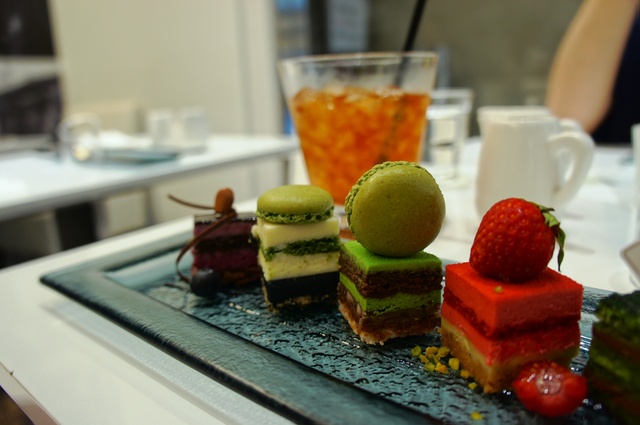
The specific contemporary wagashi innovations: matcha-flavoured wagashi of various kinds, leveraging the international popularity of matcha; fruit-incorporated wagashi that uses seasonal Japanese fruits in combination with traditional wagashi techniques; the specific category of wagashi flavoured sweets that applies anko flavour to Western confection formats (anko-filled croissants, anko ice cream, anko-topped parfaits) in ways that occupy the space between the two traditions.
The wagashi shop in the department store basement — its carefully arranged display of seasonal preparations, its specific paper wrapping, its specific gift-box formats that communicate the occasion and the relationship in the specific language of Japanese gift culture — remains one of the most specifically Japanese of all retail experiences, and one that has not been substantially displaced by the convenience store and the supermarket that have transformed so many other Japanese food retail categories.
— Yoshi 🍡 Central Japan, 2026
Enjoyed this? You might also like: “Japanese Sweets and Chocolate: How Japan Reinvented Dessert” and “Kakigori, Anmitsu, and the Art of Japanese Summer Sweets” — both available on Japan Unveiled.