Japanese Sweets Shops (Wagashi-ya): A Seasonal Journey Through Traditional Confectionery
By Yoshi | Japan Unveiled
There is a wagashi shop in Kyoto that I have been visiting since my twenties.
Not every time I go to Kyoto — I do not visit Kyoto as often as I would like — but whenever I am in the city and have time for the specific detour the shop requires, I go. I have been going for nearly twenty years. I know approximately where it is in the neighbourhood’s specific geography but I do not have the address memorised, which means I find it each time by walking the familiar streets until the specific storefront appears. The owner knows my face. I do not know her name. We have never had a conversation beyond the specific transaction of my visit: she shows me what is seasonally available, I choose two or three pieces, she boxes them with the care that Japanese packaging brings to every food gift, and I pay.
I do not know anything about this woman except that she has been making wagashi for as long as I have been visiting and that the specific piece I ate in my first visit — a nerikiri shaped as a persimmon, in the warm orange-red of the specific moment when the Kyoto autumn has reached its most intense colour — is still present in my memory as a taste event rather than a merely intellectual memory.
This is what wagashi shops are. Places where the season arrives in edible form, tasted once, gone, replaced by the next season’s version of the same gesture toward the world’s beauty.
I have written elsewhere on this blog about wagashi — the traditional Japanese sweets — as a category, describing their ingredients and their role in the tea ceremony. This article is different. This article is about the shops themselves — the wagashi-ya — and what the experience of visiting them across the seasons reveals about Japanese food culture, Japanese aesthetic values, and the specific relationship between a good confectioner and the year she is living through.
What a Wagashi Shop Is
A wagashi-ya — the suffix -ya indicating a shop that specialises in a specific product — is a confectionery shop focused exclusively on traditional Japanese sweets. Unlike a general confectionery or a supermarket sweets section, the wagashi-ya produces and sells a specific category of product: the sweets of the Japanese confectionery tradition, made primarily from plant-based ingredients — rice flour, glutinous rice, sweet azuki bean paste, sugar, agar — and shaped and coloured to represent the season’s specific aesthetics.
The range of what a wagashi-ya might sell is broad. At one end: the mass-market namagashi (fresh wagashi, with limited shelf life) and higashi (dry wagashi, shelf-stable) available at department store basement food halls nationwide, produced in quantities that allow consistent availability throughout the year. At the other end: the small, artisanal wagashi shops — often single-proprietor operations, sometimes passed through generations, sometimes opened by craftspeople trained at larger establishments — that produce a limited quantity of items daily, sell what they make and close when they sell out, and whose seasonal offerings change weekly or even daily in response to what the specific moment of the year calls for.
It is the artisanal end of the spectrum that I want to write about, because this is where wagashi culture is most fully expressed and where the experience of visiting a shop becomes something beyond a commercial transaction.
The Structure of the Wagashi Year
The defining feature of the serious wagashi shop is its relationship to the Japanese calendar — specifically to the concept of kisetsukan (seasonal consciousness) that permeates Japanese aesthetic culture.
Every serious wagashi-ya in Japan produces different items in different months, and the items produced in a specific month are not available in other months. The spring wagashi is not available in autumn. The summer wagashi is not available in winter. This is not a production limitation — the ingredients for most wagashi are available year-round. It is a philosophical commitment: the specific wagashi of a specific season belongs to that season and would lose meaning consumed out of it.
The wagashi calendar in a serious shop is dense, with specific items associated with specific festivals, specific seasonal phenomena, and specific moments in the Japanese cultural and agricultural year.
January — Hana-bira mochi (flower petal mochi, a New Year confection containing miso bean paste and a piece of sweet burdock root, its form derived from Heian-period court tradition). Kinton in white and pale gold, expressing the clean beginning of the year.
February — Uguisu mochi (warbler mochi), shaped as the bush warbler (uguisu) whose song announces the approaching spring. The mochi is soft and green, dusted with green soybean powder, and its form requires skill to execute without losing the specific quality of the bird’s shape.
March — Sakura mochi (cherry blossom mochi), the most immediately recognizable of spring wagashi: glutinous rice dough or pancake-style wrapper (the specific form varies by region — the Kanto style uses a thin pancake, the Kansai style uses a mochi-like dough) filled with sweet azuki bean paste and wrapped in a pickled cherry leaf. The salt of the pickled leaf against the sweetness of the filling is one of the fundamental flavour relationships in Japanese confectionery. Ohagi in the spring style, hishi mochi in the diamond shape of the Hinamatsuri (Girls’ Festival) colour combination of white, green, and pink.
April — The peak of cherry blossom season is represented not only in sakura mochi but in the full range of spring wagashi: pale pink nerikiri shaped as open blossoms, yabu-kiri (literally “thicket-cutter,” a specific wagashi form associated with spring mountain walks), various other pieces that capture the specific visual vocabulary of the Japanese spring in edible form.
May — Kashiwa mochi for Kodomo no Hi (Children’s Day, May 5th), wrapped in oak leaves. The specific choice of oak — a tree that retains its old leaves through the winter until new growth pushes them off, symbolising the continuity of the family line — is deliberate and specific. The chimaki (glutinous rice dumplings wrapped in bamboo or sasa leaves) of the Tango no Sekku (the festival preceding Children’s Day).
June — Minazuki, the triangular agar confection topped with azuki beans, eaten specifically on June 30th in a purification ritual (Nagoshi no Oharae) observed at shrines across Japan. The specific association of Minazuki with this date — it is not available at other times in serious wagashi shops — is one of the clearest examples of wagashi’s calendrical specificity.
July and August — summer wagashi are the most visually inventive, often the most technically demanding, and in my opinion the most beautiful. The challenge of summer wagashi: how to convey coolness, lightness, the specific pleasure of shade and water in the Japanese summer heat, through an edible form.
The solutions are extraordinary. Clear agar jellies (yokan in the water variety, mizu yokan) in which small motifs — a goldfish, a hydrangea, a drop of water — are suspended, visible through the translucent jelly. Kuzu mochi (kudzu starch sweets) with a specific cool, refreshing texture. Nerikiri shaped as seashells, as waves, as morning glories. The colour palette shifts: the warm pinks and oranges of spring give way to cool blues, pale greens, and the clear transparency of water and ice.
September — the moon-viewing season. Tsukimi dango — three tiers of white rice dumplings, representing the full harvest moon — and various pieces acknowledging the autumn’s arrival: chestnut, sweet potato, the first hints of the russet and gold palette that will dominate through November.
October and November — autumn is the most abundant season for wagashi. The ingredients of the Japanese autumn — chestnuts (kuri), sweet potato (satsumaimo), persimmon (kaki), various mushrooms — provide both flavour material and visual inspiration. The colour palette — the deep reds, oranges, and golds of maple leaves — is one of the most expressive in the wagashi vocabulary. Nerikiri shaped as maple leaves in three-colour gradation (red, orange, green). Kuri kinton (sweetened chestnut paste) in the specific golden yellow of the chrysanthemum. Yōkan with the character for autumn (aki) pressed into the surface.
December — the approach of winter and the new year. Yuzu (Japanese citrus) wagashi for the winter solstice. Hanabira mochi beginning to appear in anticipation of the new year. The sense of completion that the December wagashi convey — the year drawing toward its close, the seasonal cycle about to reset — is, at the best shops, genuinely moving.
The Art of Nerikiri: The Most Skilled Wagashi
Among the many wagashi produced at serious shops, nerikiri represents the highest expression of the wagashi maker’s skill and the closest analogue to sculpture in the confectionery tradition.
Nerikiri is made from shiro-an (white bean paste) kneaded with gyuhi (a soft mochi made from glutinous rice flour) into a smooth, pliable dough that can be coloured with natural pigments and shaped by hand into specific forms. The tools used are minimal: the fingers, a bamboo spatula (sankaku-bera), and a round spatula for creating specific surface textures. No molds are used in traditional nerikiri — the entire form is shaped freehand, requiring the specific manual skill that develops only through extended practice.
The specific challenge: nerikiri dries as it is worked, meaning that every shaping move must be purposeful and final. You cannot rework a piece that has begun to dry — the surface texture changes, and the change is visible. The experienced nerikiri maker works quickly and decisively, each touch of the fingers or the spatula intentional, the form emerging from a process that cannot be reversed.
The forms achievable in nerikiri by a skilled practitioner are remarkable. A maple leaf with individually defined veins and a colour gradation from green at the tip to deep red at the centre. A chrysanthemum with dozens of individually formed petals. A plum blossom in five colours, each petal slightly different in tone. A snow scene — a simple white sphere with a small branch of red berries — that contains in its simplicity the entire visual vocabulary of Japanese winter aesthetics.
Visiting a wagashi shop to watch nerikiri being made — if the shop allows or invites this — is a genuine aesthetic experience. The speed and precision of the skilled maker, the transformation of the coloured paste into something recognisably representing a natural form, the fact that the finished object will be eaten rather than preserved — all of this produces a specific response that I can only describe as wabi-sabi in action: beauty that includes its own impermanence.
How to Visit a Wagashi Shop
For foreign visitors who want to experience wagashi shops genuinely rather than superficially, several specific recommendations.
Go to Kyoto. Kyoto is the centre of the Japanese wagashi tradition in a way that no other city is. The concentration of traditional wagashi shops in Kyoto — from the famous department store counter presentations to the neighbourhood artisan shops that have been in the same location for generations — is unmatched. The specific Kyoto style of wagashi — lighter in sweetness than Tokyo styles, more emphasis on the delicacy of colour and form, closer to the tea ceremony tradition from which so much of the aesthetic derives — is what the wagashi tradition looks like in its fullest development.
Visit during a seasonal transition. The moments when wagashi shops are most interesting are the moments of seasonal change — late March when spring wagashi are arriving alongside the last winter pieces, late September when autumn has begun to appear while summer lingered. The overlap and the transition are where the shops’ relationship to the natural world is most visible.
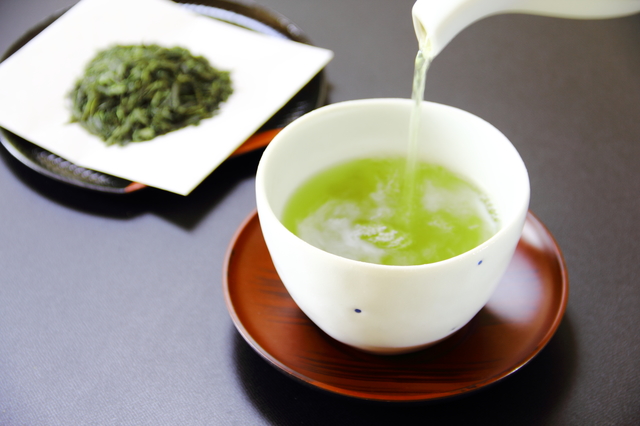
Buy for immediate consumption. Most serious wagashi — particularly the fresh namagashi — are perishable, with shelf life measured in days. They should be eaten the day they are purchased, ideally with a bowl of matcha prepared according to the tea ceremony tradition. If you cannot prepare matcha at home, eat the wagashi with any green tea. The combination is specifically designed.
Spend time looking. In a good wagashi shop, every item on display is worth looking at before you decide what to buy. The seasonal display — the specific arrangement of this month’s pieces, the colour relationships, the specific forms chosen to represent this moment in the year — is a composed aesthetic statement. The owner has chosen these specific items, these specific forms, for this specific period. Looking at the display is understanding the season through the maker’s eyes.
Ask what is recommended. The phrase osusume wa nan desuka? — “what do you recommend?” — will produce, at any good wagashi shop, the item that the maker is most proud of at this specific moment. This is almost always the right thing to buy.
The Disappearing Tradition
I want to end with something honest about the situation of traditional wagashi shops in contemporary Japan.
The number of traditional, artisanal wagashi-ya — the shops that make their own product daily, that change their offerings with the season, that maintain the craft in its full expression — is declining. The causes are familiar: the difficulty of training the next generation in a skill that takes years to develop to a professional level, the economics of small-scale artisanal production in an urban environment where rent and labour costs are high, the changing dietary preferences of younger Japanese consumers who are more likely to reach for Western sweets than for traditional wagashi.
The department store wagashi counters — the Toraya, the Tsuruya Yoshinobu, the established brands that sell their product at scale — will persist, because their business model is sustainable at scale. The small neighbourhood wagashi-ya, run by a single craftsperson or a small family team, is under genuine pressure.
This is not unique to wagashi. Many Japanese traditional craft traditions face the same pressures. The shokunin population is aging, and the transmission of craft knowledge to younger practitioners is not happening at the rate required to fully replace it.
But visiting these shops — spending money at them, writing about them, bringing attention to what they produce — is one of the small things that contributes to their survival. Every customer who discovers a neighbourhood wagashi-ya and becomes a regular is someone whose continued patronage makes the shop’s economics slightly more viable.
The shop in Kyoto that I have been visiting since my twenties is still there. I know this because I was there last autumn, and the persimmon nerikiri — the specific form that started my relationship with the shop twenty years ago — was in the case.
I bought two.
— Yoshi 🍡 Central Japan, 2026
Enjoyed this? You might also like: “Wagashi: The Art of Japanese Traditional Sweets” and “Matcha: From Zen Ceremony to Global Obsession” — both available on Japan Unveiled.